Hey there, future Salesforce rockstar! If you’re gearin’ up for a Salesforce Admin interview, you’re probably feelin’ a mix of excitement and straight-up nerves. Trust me, I’ve been there—sittin’ across from an interviewer, hopin’ I don’t blank on a question about Profiles or Flow. But here’s the good news: with the right prep, you can walk in confident and ready to crush it. At our lil’ corner of the internet, we’re all about helpin’ you land that dream role. So, let’s dive into the most common Salesforce Admin interview questions, break ‘em down in plain English, and get you set to impress.
Whether you’re new to the game or a seasoned pro lookin’ to level up, this guide’s got your back We’ll cover the big topics that interviewers love to grill on—think data security, automation, user experience, and more. I’ll toss in some tips from my own journey (and a few mess-ups along the way) to keep it real So, grab a coffee, and let’s get started on makin’ sure you nail this interview!
Why Salesforce Admin Interviews Are a Big Deal
Before we jump into the nitty-gritty, let’s chat about why these interviews can feel like a high-stakes game. Salesforce Admins are the backbone of any org using this platform. You’re the one keepin’ data safe, automatin’ boring tasks, and makin’ sure users ain’t lost in a sea of records. Interviewers wanna see if you’ve got the chops to handle that responsibility. They’re not just testin’ your tech know-how—they’re lookin’ at your confidence, problem-solvin’ skills, and how you vibe with their team.
Most questions come from day-to-day admin tasks, so expect a mix of “what is this feature?” and “how would you use it?” type stuff. My advice? Keep your answers short but meaty—show you know your stuff without ramblin’ on. If you’ve got a real-world example, throw it in there. If not, just paint a picture of how you’d apply it. Alright, let’s roll into the first big topic!
Data Security and Record Sharing: Lockin’ It Down
One of the top things interviewers wanna know is how you’ll keep their data safe and share it right Salesforce has a bunch of tools for this, and you better believe they’ll ask about ‘em Here’s the lowdown on some common questions
-
What’s a Profile, and why’s it matter?Profiles are like the foundation of security in Salesforce They decide what objects and fields a user can see, and whether they can create, edit, or delete stuff. Every user needs a profile—it’s non-negotiable. I remember settin’ up profiles for a sales team once, makin’ sure they couldn’t mess with financial data Interview tip mention how profiles control access at the object level and tie it to a use case.
-
How’s a Role different from a Profile?
Roles are more about sharin’ records than base access. They’re optional but super handy. If your org-wide defaults are locked down (like, not everyone can see everything), roles help decide who gets to peek at what records—and if it’s read-only or read/write. They follow a hierarchy, kinda like a company org chart, so managers can see their team’s stuff. I’ve used roles to let regional managers access their reps’ accounts without givin’ ‘em the whole database. -
What’s the deal with Permission Sets?
Think of permission sets as bonus access on top of a profile. They let you give extra permissions to users without creatin’ a whole new profile for each tiny difference. For example, I once had a user who needed access to a specific app—didn’t wanna build a new profile, so I slapped on a permission set. Big time-saver! Oh, and heads up—Salesforce is movin’ away from permissions on profiles by Spring ‘26, so they’ll all live in permission sets soon. -
Public Groups vs. Queues—whatcha think?
Public Groups are like custom teams you build to share records with. Say you’ve got directors scattered across the org—you can group ‘em and share specific data. Queues, though, are for assignin’ records, not sharin’. They’re perfect for cases or leads where a team needs to pick up work. I’ve set up queues for support tickets so whoever’s free grabs it first.
These questions pop up a ton ‘cause security is everything in Salesforce. If you flub this, they might worry you’ll expose sensitive data. So, practice explainin’ these concepts like you’re talkin’ to a non-tech manager—keep it clear and confident.
Data Relationships and Modeling: Connectin’ the Dots
Next up, interviewers often dig into how you structure data. Salesforce is all about relationships between records, and they’ll wanna know you can build a solid setup. Here’s some stuff they might throw at ya:
-
What’s a Lookup Relationship?
This is a way to link records, like parent and child. You can tie an account to contacts or even link accounts to other accounts (like parent companies). It’s great for reportin’ and keepin’ data organized. I’ve used lookups to connect customer feedback to specific accounts—makes trackin’ issues a breeze. -
How ‘bout a Master-Detail Relationship?
This is like a tighter version of a lookup. The child record don’t even have its own owner—it gets its visibility from the parent. Plus, you can create roll-up summary fields to aggregate data from kids to the parent. Think countin’ how many orders are tied to an account. But watch out—it’s restrictive ‘cause of that security tie. I’ve switched to master-detail when I needed those roll-ups bad. -
Roll-Up Summary Fields—explain that one!
These are gold if you’ve got a master-detail setup. They let you sum up or count data from related records in real-time. Imagine summin’ up total sales from opportunities on an account record—boom, instant insight. If you can’t use master-detail, though, you might need a tool or Flow to mimic this on lookups. -
What’s a Junction Object?
This ain’t an official thing in Salesforce, but it’s a custom object you create to handle many-to-many relationships. Think of a school—students take many classes, and classes have many students. A junction object sits in the middle to connect ‘em. I built one for a client to link projects with multiple team members. Nifty trick!
Data modelin’ questions show if you can think logically about how info flows in an org. Mess this up, and you might build a clunky system. So, sketch out a quick example in your head before answerin’—it’ll help ya sound sharp.
Process Automation: Makin’ Life Easier
Automation is a huge part of bein’ a Salesforce Admin. Why do stuff manually when the system can do it for ya? Interviewers wanna know you can save time and reduce errors. Here’s the kinda questions to expect:
-
What’s Flow, and why’s it awesome?
Flow is your go-to tool for automation without codin’. It can create records, update ‘em, delete ‘em, send emails, or even run custom screens for users. You can trigger it when a record changes, on a schedule, or with a button. I’ve built flows to auto-assign leads based on territory—saves hours! Bonus: Flow Orchestrator lets ya build multi-step, multi-user automations. -
What’s happenin’ with Workflow Rules and Process Builder?
Heads up—these old-school tools are gettin’ retired. Salesforce is pushin’ everyone to Flow ‘cause it does everything they did and more. You can’t create new workflow rules or processes anymore, but old ones still run. I’ve been migratin’ orgs to Flow lately, and there’s tools to help with that switch. Know this trend—it shows you’re up-to-date. -
How ‘bout Approval Processes?
These are for when stuff needs a thumbs-up. Think expense reports or deals needin’ manager OKs. It tracks who approved or rejected, locks records durin’ review, and handles complex logic for approvers. I set one up for a client’s contract approvals—kept everything tidy and auditable.
Automation questions test if you can streamline work. If you’ve got a story about savin’ time with Flow or another tool, share it. If not, just explain how you’d use it for somethin’ like auto-notifyin’ a team when a deal closes.
User Interface and Reporting: Makin’ It User-Friendly
How users interact with Salesforce is a biggie. If the interface sucks, folks won’t use it, no matter how fancy your backend is. Expect questions on customizin’ the experience:
-
What are Record Types for?
Record Types let ya create different flavors of records for the same object. They control layouts, picklist options, and logic. Like, for a call center, you might have different case types for tech support vs. billing. I always set up at least one record type per object, even if I don’t need it yet—makes addin’ more later way easier. -
List Views—what’s the point?
These are filtered lists of records users see when they click a tab. You can pick what columns show and set filters to match their needs. Users can even pin their faves. I’ve tweaked list views for sales reps to show only their hot leads—keeps ‘em focused. -
Reports and Dashboards—break it down!
Reports are beefed-up list views. They group data and summarize it. Dashboards take that further with charts and visuals. I’ve built dashboards for execs to track sales trends at a glance—makes ‘em feel like they’ve got superpowers. -
Page Layouts vs. Lightning Pages—what’s the diff?
Page Layouts decide what fields, buttons, and related lists show on a record. Lightning Pages, though, are next-level—they house all kinda components like Chatter or custom bits, and you can make ‘em conditional based on user or data. I’ve used Lightning Pages to hide complex fields from newbies—keeps ‘em from gettin’ overwhelmed.
UI questions check if you can make Salesforce a joy to use. Think about a time you customized somethin’ for a user group—interviewers eat that up.
Data Management: Handlin’ the Big Stuff
Admins gotta deal with tons of data—importin’, exportin’, and keepin’ it clean. Interviewers might poke at how you manage bulk tasks:
-
What’s the Data Loader?
This is a free tool from Salesforce for movin’ big chunks of data in or out. It’s got all the bells and whistles for complex jobs, unlike simpler wizards. I’ve used it to upload thousands of leads after a trade show—woulda taken forever otherwise. -
Custom Metadata Types—whatcha know?
These are like custom objects, but for storin’ config data about your org, not user data. Think discount rates or sales goals. They’re handy in formulas and automation, and they auto-sync to sandboxes. I’ve set ‘em up for blackout dates on promotions—super useful.
Data questions ain’t just about tools—they’re about keepin’ integrity. Show you get the stakes by mentionin’ how you’d double-check imports or use metadata for consistency.
Change Management: Keepin’ Things Smooth
Rollin’ out changes without breakin’ stuff is key. Interviewers might ask how you move updates or test ‘em:
-
What’s a Change Set?
It’s a bundle of stuff—like fields or flows—you move between orgs, usually sandbox to production. I’ve used change sets to push small updates, though there’s newer tools like DevOps Center for bigger projects now. -
Types of Sandboxes—hit me with it!
You’ve got Developer (no data, daily refresh), Developer Pro (more storage), Partial (some data, refreshes every 5 days), and Full (all data, every 29 days). I stick to Partial for most testin’—enough data to mimic prod without the wait.
Change management shows you won’t crash the system with a bad update. Mention testin’ in sandboxes before goin’ live—it’s a safe bet.
Communities and AppExchange: Beyond the Basics
Some roles touch on external users or third-party tools. Be ready for these curveballs:
-
What’s Experience Cloud?
Formerly “Community Cloud,” it lets customers or partners access your Salesforce org with special licenses. You can build portals with security to limit what they see. I’ve set one up for a client’s customer support—let folks check case status without buggin’ reps. -
Managed vs. Unmanaged Packages on AppExchange?
Managed packages are locked down—you can’t edit ‘em, like a phone app. Unmanaged ones are open; you can tweak ‘em like your own code. I’ve installed managed ones for quick fixes, knowin’ I can’t mess with the guts.
These might not come up in every chat, but if they do, it’s a chance to shine on niche topics.
Tips to Slay Your Salesforce Admin Interview
Now that we’ve covered the big question areas, let’s wrap up with some pro tips to seal the deal. I’ve flubbed a few interviews myself, so learn from my oopsies:
-
Know Your Stories: For every concept—Profiles, Flow, whatever—have a quick example ready. If you ain’t got real experience, make up a realistic “if I were to…” scenario. It shows you can apply knowledge.
-
Tailor to Your Audience: Some interviewers ain’t techies. If they’re HR or a manager, skip the jargon and explain like they’re your grandma. If they’re admins, dive deeper. I once over-explained to a tech lead and saw their eyes glaze over—read the room!
-
Stay Current: Salesforce changes fast. Mention stuff like the Profile permissions retirement or Flow takin’ over. It shows you’re not stuck in 2015. I keep up by skimmin’ release notes—takes 10 minutes a month.
-
Practice Out Loud: Say your answers to a mirror or a pal. It’s awkward, but it builds confidence. I used to stammer on “Roll-Up Summary”—practicin’ fixed that quick.
-
Ask Questions: At the end, ask somethin’ like, “What’s the biggest Salesforce challenge your team’s facin’?” It shows interest. I landed a gig once ‘cause I asked about their automation pain points and pitched a Flow idea on the spot.
Phew, we’ve covered a lotta ground! Preppin’ for a Salesforce Admin interview don’t gotta be a nightmare. Focus on these key areas—security, data modelin’, automation, UI, and the rest—and you’ll be golden. Remember, it’s not just about knowin’ the answers; it’s about showin’ you’re a problem-solver who can vibe with their crew. We at [Your Company Name] are rootin’ for ya! Got a question we didn’t cover, or a tricky topic you’re stuck on? Drop a comment below—I’m all ears. Now go out there and snag that job!
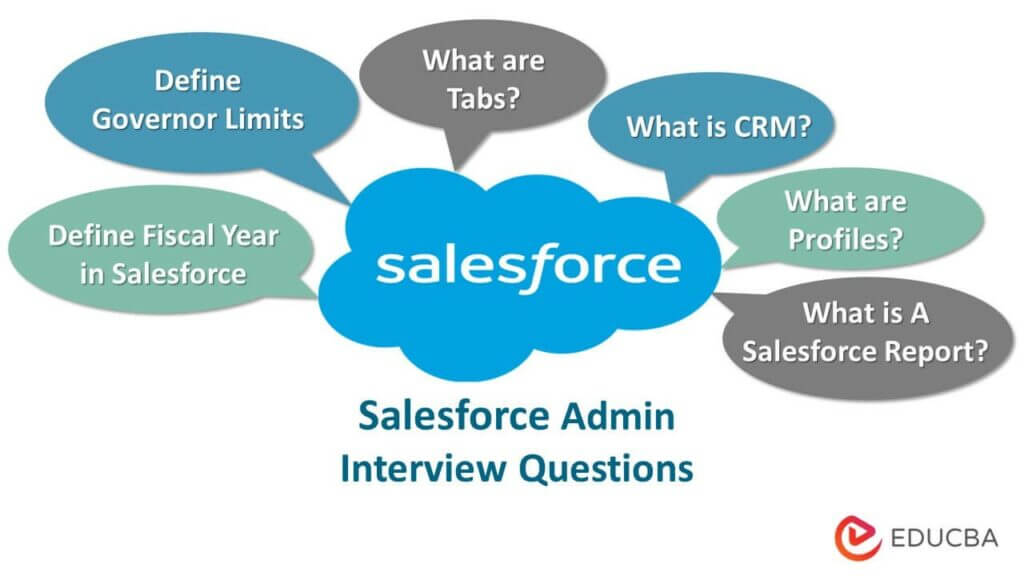
1 What is the difference between a Workflow Rule and a Process Builder in Salesforce?
Both the workflow rule and process builder are automation tools that allow businesses to define and automate various business processes and actions; however, they have different functions and capabilities.
Process Builder has more automation features and is more versatile. It lets you set up complicated processes with many criteria, steps, and decisions. With Process Builder, you can automate processes that create, update, or delete related records and trigger flows. It can do more than just design, update, and delete records. It can also launch flows and call custom Apex code, so it’s better for more complicated business processes with multiple steps and decision points.
Unlike Process Builder, Workflow rules are more basic and have fewer features. They’re mainly for automating simple stuff like sending emails, changing fields, and generating tasks based on specific criteria. Workflow rules can update fields, send emails, and create jobs. They’re all about ensuring users are updated or notified when certain conditions are met.
How can we trigger a flow from Apex?
You can start an auto-launched flow from Apex code by creating an instance of the flow and passing in any required variables. You use a map to send values into the flow and then call the start() method. This is useful when you need to mix custom code and declarative automation in the same process.
20 Salesforce Admin Interview Questions & Answers
FAQ
How to prepare for a Salesforce admin interview?
If you’re preparing for a Salesforce Admin interview, it’s essential to understand the platform beyond just clicking through the UI. Employers look for admins who not only know how Salesforce works, but also understand its limitations, automation tools, data security, layouts, and reporting capabilities.
What are some hard Salesforce interview questions?
- What is Cloud Computing?
- What is Paas, Saas, Iaas?
- What is Sandbox and the Type of Sandbox in Salesforce?
- What is Object in Salesforce?
- What are the different types of object relations in Salesforce?
- What is a Master-Detail relationship in Salesforce?
What key skills do Salesforce Admins need?
- Communication – Collaborate with business and technical stakeholders to design, configure, and implement Salesforce.
- Problem solving – Solve business problems using the Salesforce Platform.
- Security management – Proactively set up processes to manage and protect customer and business data.